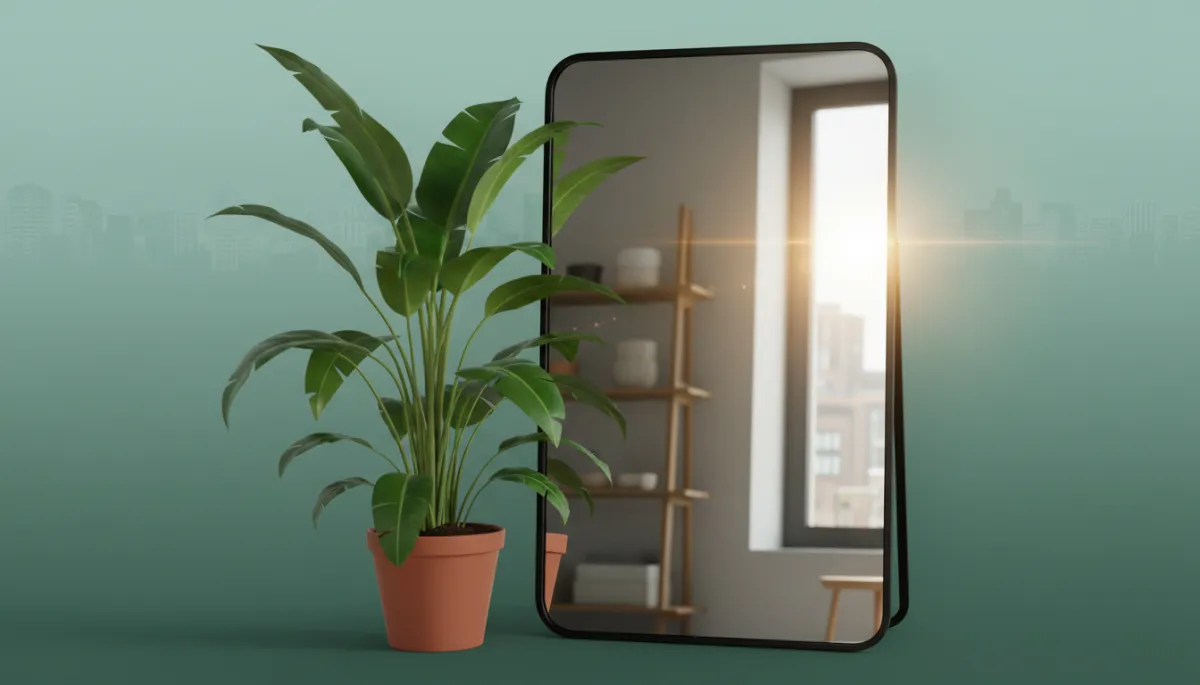
Reclaiming Nature in Urban Living Spaces
Environment, Urban Living, Green Spaces, Wellness
Reclaiming Nature in a World That Is Forgetting How to Breathe
A living response to environmental loss, disconnection, and the quiet human need for green space in the heart of the city.
Facing Environmental Loss in Everyday Life
Environmental loss is often spoken about in global terms—melting ice, vanishing forests, collapsing ecosystems. Yet for many people living in cities, it also shows up in quieter, local ways: the tree that was removed for new parking, the garden replaced by concrete, the park that feels too far away to visit during a busy week. Bit by bit, living systems are edited out of our daily routines, until nature becomes something we read about instead of something we stand beside.
This slow erosion matters. When streets are dominated by glass, metal, and asphalt, we lose more than scenery—we lose a sense of belonging to a larger, living world. Urban Planti exists as a service and an educational resource to help people respond to that loss in tangible, immediate ways, beginning with the spaces they inhabit every day.
Disconnection and the Quiet Need for Green
Many urban lives unfold between walls and screens. We move from apartment to office, from train to meeting, rarely pausing to touch soil, feel leaves, or notice how light shifts through the day. Over time, this disconnection from nature can show up as fatigue, irritability, or a persistent sense that something essential is missing—without being able to name what it is.
Our work begins with acknowledging that this need for green space is not a luxury or a trend. It is a human need. Being around living things helps regulate our nervous system, giving our bodies cues of safety and continuity. When we bring plants into homes, studios, and offices, we are not just decorating; we are rebuilding a bridge between people and the living world that sustains them.
Rethinking Green Space in Dense Urban Settings
As cities grow, nature is often pushed into designated zones—parks, botanical gardens, weekend retreats. These places matter, but they also require time, planning, and often money to access. For many residents, green space becomes an occasional outing instead of a daily experience. Urban Planti challenges that pattern by helping people weave nature back into the fabric of their everyday environments, no matter how small or busy those spaces may be.
Through our services, we assess light, layout, and lifestyle to design indoor green spaces that work with the realities of city living—limited windows, tight corners, shared offices, and shifting schedules. Our educational resources then teach you how to care for these living systems so they can thrive alongside you, rather than becoming another obligation on your to-do list.
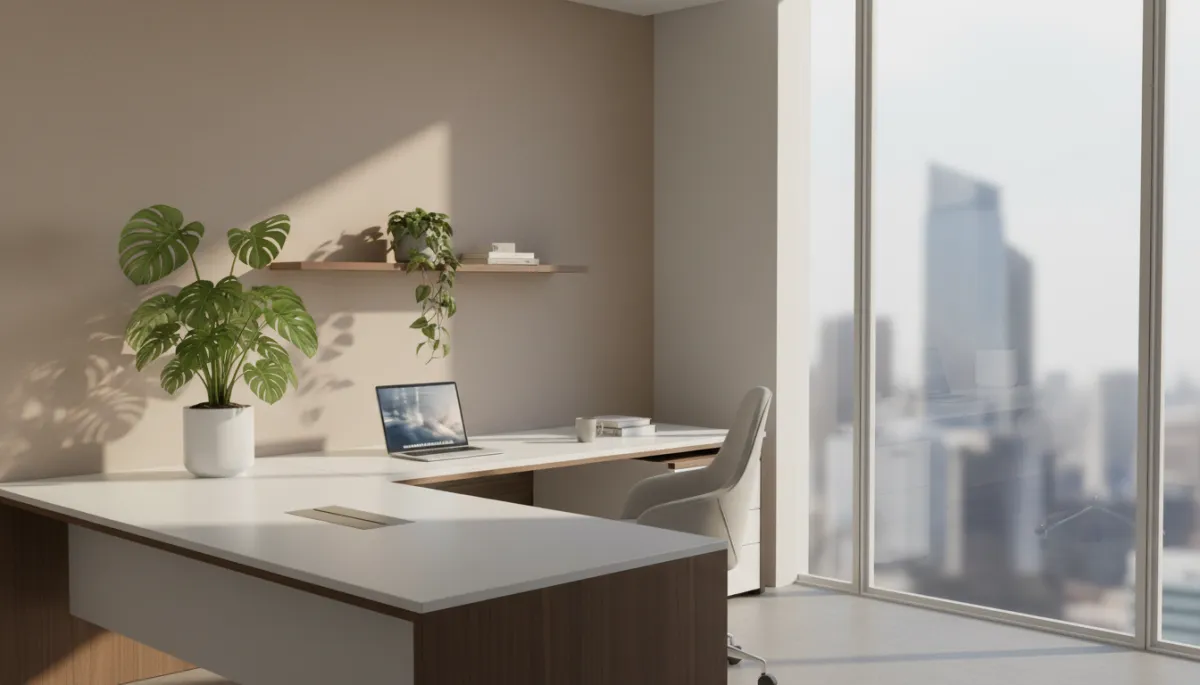
Even a few well-chosen plants can transform a high-pressure workspace into a calmer, more breathable environment.
Restoring Relationship with Nature, One Room at a Time
Restoring relationship with nature does not require a cabin in the woods. It can begin with a single plant positioned where light actually reaches, a cluster of greenery in a forgotten corner, or a hallway shelf turned into a living ledge. Our approach is to treat each plant as part of a small ecosystem, not an accessory. We help clients understand how water, light, air, and temperature interact so that caring for plants becomes an act of attention rather than guesswork.
Through consultations, workshops, and guided plant care plans, Urban Planti supports people in noticing their spaces differently—tracking the path of the sun, feeling the difference in a room that holds life, and recognizing that tending to plants is also a way of tending to themselves. This is education as practice, not perfection: a gradual re-learning of how to live with nature instead of above it.
How Plants Support Stress Relief and Air Quality
Plants offer measurable benefits in urban interiors. Research has shown that being around greenery can help lower perceived stress, support focus, and create a sense of calm in environments shaped by constant noise and urgency. The simple act of watering, pruning, or pausing to observe new growth can become a grounding ritual in the middle of a busy day, giving the mind a moment of rest from screens and notifications.
Many indoor plants also contribute to better air quality by absorbing carbon dioxide and releasing oxygen, and some species can help reduce certain indoor pollutants. While plants are not a replacement for proper ventilation, they are a valuable layer of support in spaces where windows rarely open and air can feel stagnant. Our educational guidance includes plant selection tailored to your environment, so you can choose species that are both resilient and beneficial for your specific space.
The Art of Thoughtful Plant Placement
Thoughtful placement is where design, ecology, and wellbeing meet. A thriving plant is rarely an accident; it is the result of aligning species with light, airflow, and daily movement patterns. We look at how you actually use your space—where you sit, work, rest, and gather—and then position plants to support those activities rather than compete with them.
Near windows, we prioritize light-loving species that frame views and soften harsh architectural lines.
In low-light corners, we select resilient plants that tolerate shade, turning unused areas into quiet green anchors.
Along busy pathways, we favor sturdy, upright forms that guide movement without creating clutter.
This attention to placement is both practical and emotional. It ensures plants receive what they need to survive, and it shapes how you experience each room—what you see when you wake, what you notice while you work, and what greets you when you return home at the end of the day.
Creating Restorative Environments in the Heart of the City
Urban Planti is not about escaping the city; it is about reshaping how we live within it. By combining service and education, we help clients create restorative environments that honor both the pace of urban life and the human need for stillness and connection. Natural materials, gentle color palettes, and living plants work together to soften hard edges, reduce visual noise, and invite deeper breathing.
Reconnection does not have to be dramatic. It can start with a single pot on a windowsill, a trailing vine over a bookshelf, or a small cluster of plants beside a favorite chair. Over time, these choices accumulate, turning apartments, studios, and offices into places that not only function but also restore. In a world driven by speed and artificial environments, surrounding ourselves with green is a simple, powerful way to remember how to breathe again—right where we are.


