Biophilic Design: Nature in Everyday Spaces
Interior Design, Biophilic Design, Wellness
Biophilic Design: Bringing Nature Back Into Everyday Spaces
Biophilic design is more than adding a few plants to a room. It is a thoughtful approach to shaping homes, offices, and public spaces so they echo the calming patterns, textures, and rhythms of nature—helping people feel healthier, more focused, and more at ease.
What Is Biophilic Design?
The word biophilia describes our innate human tendency to seek connection with nature and other living things. Biophilic design translates that instinct into the built environment, intentionally weaving natural elements into architecture, interiors, and even urban planning.
Rather than treating nature as an afterthought, biophilic spaces are planned around it. They use views, light, air, materials, and patterns to create an atmosphere that feels grounded, restorative, and alive—whether you are in a city apartment or a corporate headquarters.
Why Biophilic Design Matters For Wellbeing
Research consistently links exposure to nature with lower stress, improved mood, and better cognitive function. Biophilic design brings those benefits indoors, where most of us now spend the majority of our time. Even small changes—like opening up a view to trees or using warmer, natural materials—can influence how relaxed and focused we feel.
Reduced stress: Natural light, greenery, and organic textures can lower heart rate and perceived stress levels.
Improved focus: Views of nature and subtle natural patterns help the brain recover from mental fatigue.
Greater comfort: Spaces that mimic natural environments often feel more inviting, safe, and emotionally balanced.
💡 Pro Tip: When in doubt, ask yourself whether a space feels like somewhere you could comfortably sit and watch the world outside. If it does, you are likely on the right track.
Core Principles Of Biophilic Design
Biophilic design can be understood through three broad principles: direct nature, indirect nature, and spatial experience. Together, they help create spaces that feel both visually calm and emotionally engaging.
1. Direct Connections With Nature
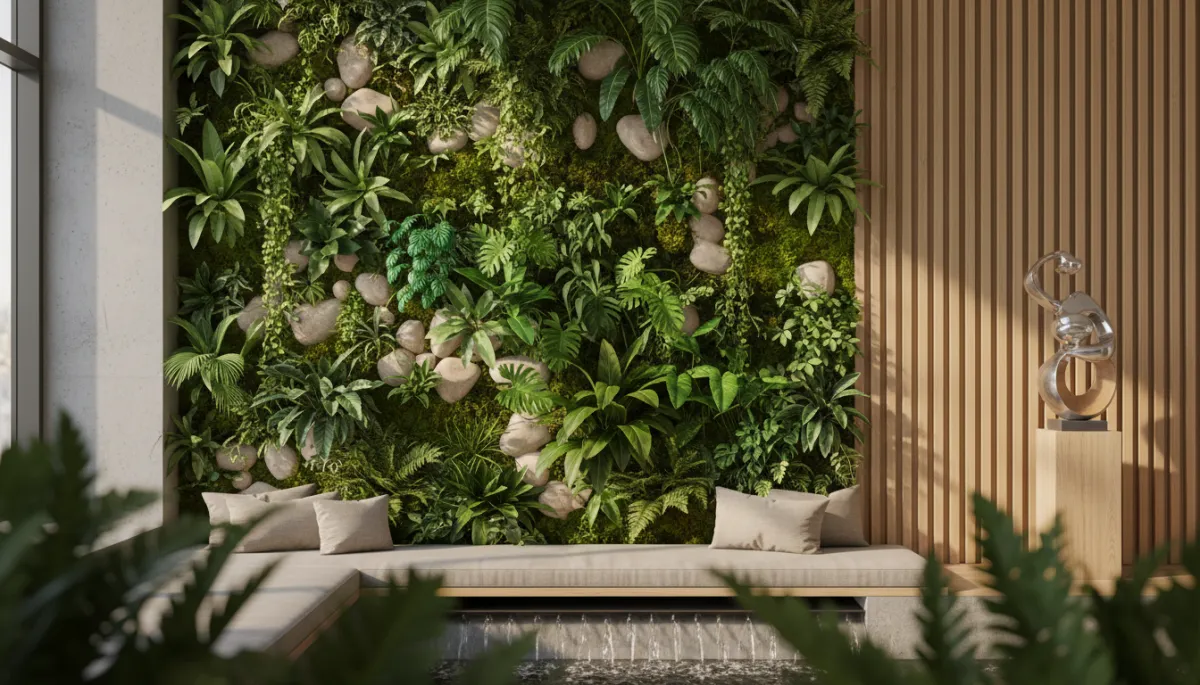
Direct experiences involve real, living elements. This might include indoor plants, water features, natural ventilation, or framed views of trees and sky. A simple window seat overlooking greenery can become the emotional anchor of a room, offering a daily moment of calm.
2. Indirect References To Nature
When direct access is limited, design can still evoke nature through materials and imagery. Wood, stone, linen, and clay bring subtle warmth and texture. Organic shapes, botanical prints, and earth-toned palettes echo patterns we find outdoors, helping spaces feel softer and more human.
3. Spatial Qualities Inspired By The Outdoors
Nature rarely feels flat or one-dimensional. Forests, coastlines, and gardens all have layers: open clearings, sheltered corners, and shifting light. Biophilic design borrows these qualities by creating varied spaces—cozy nooks, open gathering areas, and gentle transitions between them—to mirror how we move and rest in natural settings.
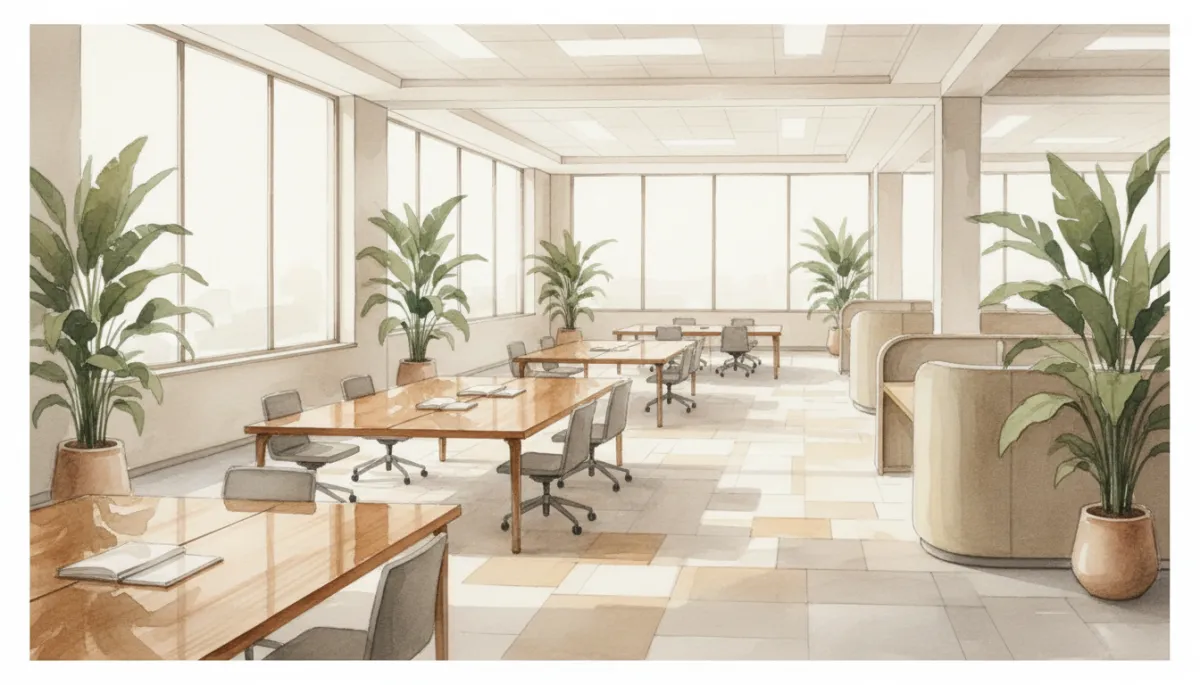
Thoughtful biophilic offices can boost comfort, focus, and overall employee satisfaction.
Simple Ways To Add Biophilic Touches At Home Or Work
You do not need a full renovation to embrace biophilic design. Small, intentional changes can transform the way a space feels and functions, especially when they are guided by a neutral, timeless palette that will age gracefully.
Prioritize natural light: Keep window areas uncluttered, use light-filtering curtains, and position seating where daylight is strongest.
Layer natural materials: Combine wood, rattan, wool, and stone in neutral tones for depth without visual noise.
Introduce greenery: Choose a mix of easy-care plants at different heights to create a more dynamic, living backdrop.
Create refuge spots: Add a comfortable chair, soft lighting, and a view—however small—where you can pause and decompress.
📌 Key Takeaway: Biophilic design is less about decoration and more about how a space makes you feel. Aim for calm, clarity, and a subtle sense of connection to the outdoors.
Designing Spaces That Support Modern Life
As work, rest, and social life increasingly blend within the same walls, our environments need to work harder for us. Biophilic design offers a way to create spaces that are not only visually appealing, but also emotionally supportive and quietly restorative.
By embracing natural light, honest materials, and thoughtful spatial planning, any home or workplace can begin to feel more grounded and humane. In a fast-paced, digital world, that subtle return to nature can make all the difference in how we live, work, and feel each day.


